Safety
“Turkey teeth”: what actually goes wrong, and how to avoid it
The complaints behind the headlines aren't random. They're four specific failures, all of them visible before you pay — if you know what to look for.
We are an Antalya clinic writing about why people come home from Antalya unhappy. Read this with that in mind — and then check what it says against anyone else you are talking to, including us.
The stories are real. They are also not random. Almost all of them trace back to four specific failures, and every one of those is visible before you pay a deposit.
1. Crowns sold as veneers
This is the big one, and it is behind most of what the papers print.
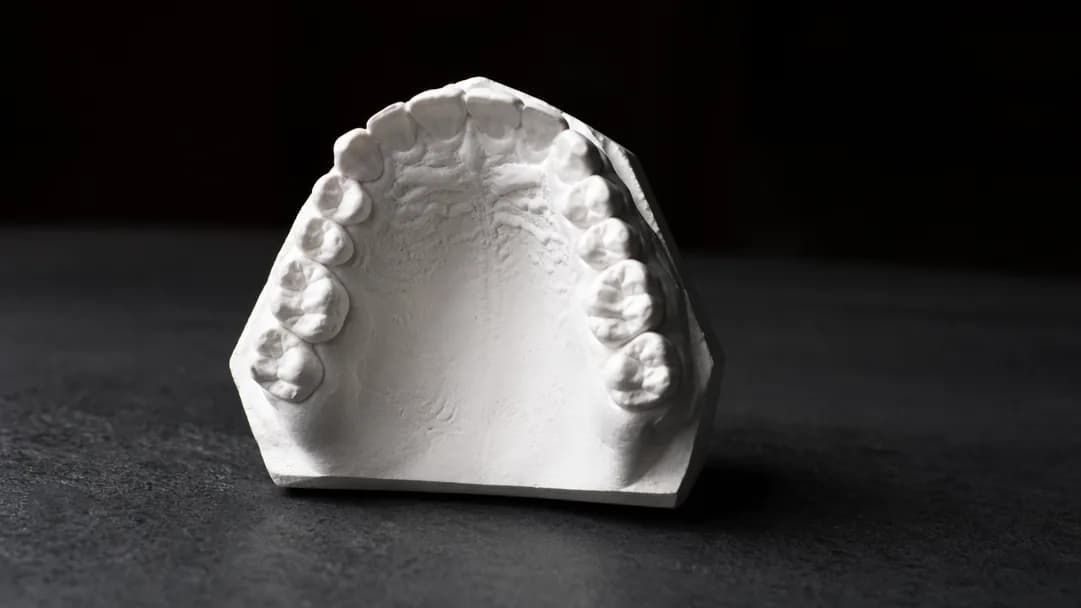
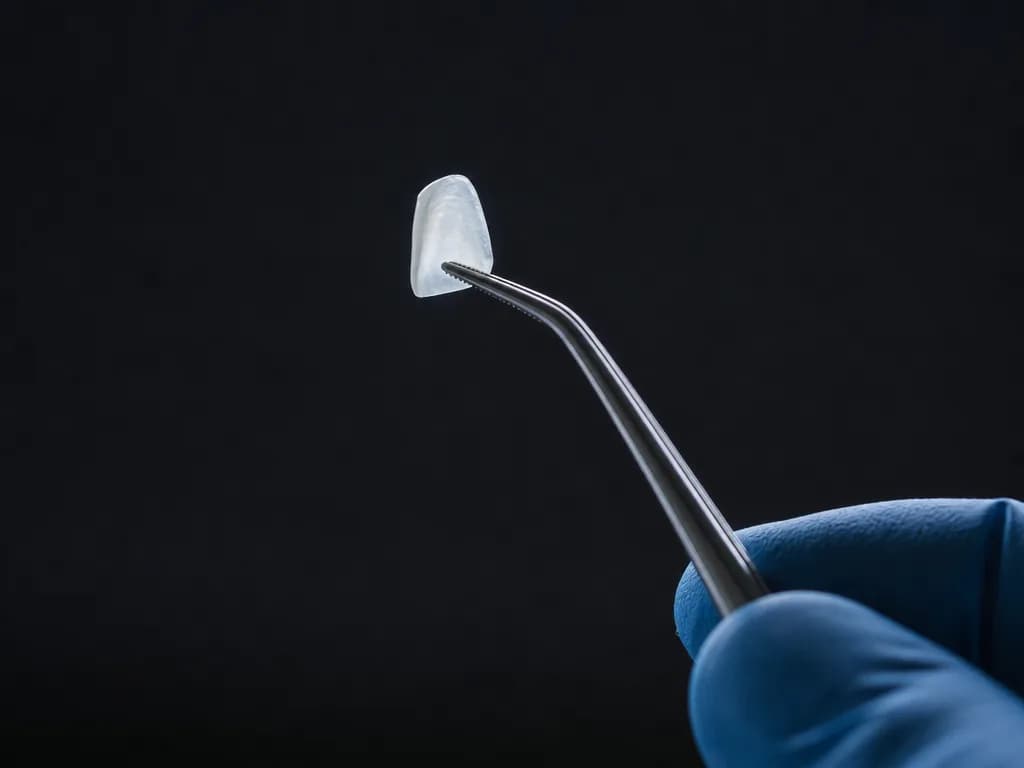
A veneer is a thin facing bonded to the front of a tooth. Preparing one removes a fraction of a millimetre of enamel, and the tooth underneath stays whole and alive. A crown covers the entire tooth and requires it to be reduced on every side — noticeably more tooth removed, and often the nerve compromised in the process.
People who agreed to "veneers", woke up with their teeth filed to pegs and only found out later what had been done to them have a genuine and permanent grievance. You cannot put enamel back.
How to avoid it: get the plan in writing, tooth by tooth, stating veneer or crown for each. Ask specifically how much tooth reduction is involved. If the answer is vague, or if the words are used interchangeably, walk away. A clinic that plans treatment can answer this in a sentence per tooth.
2. Too much treatment
Twenty units quoted for someone who needed whitening and two veneers.
Every tooth prepared for a veneer or crown is a tooth permanently altered, and it will need re-doing at some point in the future. Treating sixteen teeth when six show when you smile is not thoroughness — it is a bigger invoice and a bigger irreversible commitment.
How to avoid it: ask how many teeth show when you smile, and why the plan covers more than that. Ask what whitening alone would achieve first — the answer tells you a lot about who you are dealing with. A good clinic will sometimes talk you down to a smaller plan.
3. Treatment planned from a photograph
A price quoted from three selfies is an estimate, whatever it is called. Bone you cannot see decides where an implant can go. A tooth that photographs well may need root canal treatment once it is prepared. Gum disease has to be treated before anything cosmetic happens on top of it.
When those things are discovered after you have landed, you are making decisions with a flight home already booked. That is the worst possible position to negotiate from, and some of the "the price changed when I got there" complaints start exactly here.
How to avoid it: be examined before you fly. This is the whole reason we see UK patients here first, and it is the step most competitors skip.
4. Nobody to go back to
Six months later a crown chips, or an implant feels loose, and the only contact is a number that stops answering.
How to avoid it: get the guarantee as a document, not a sentence on a website. What is covered, for how long, what voids it, who pays for the flight back, and who you contact from the UK at 9pm on a Sunday.
What is not the problem
It is worth being fair about this, because "Turkey teeth" has become a way of saying "foreign dentistry is bad" and that is not what the evidence shows.
Türkiye trains a great many dentists and treats a very large number of international patients. Plenty of that work is excellent, and plenty of poor dentistry is done in Britain — UK dentists see failed UK work too, it just does not make headlines because there is no story in it.
The variable is the clinic, not the country. What makes a bad clinic abroad worse than a bad clinic at home is not the standard of care available; it is that the feedback loop is longer, so more of the risk has to be dealt with before you travel rather than after.
The uncomfortable part
Some of what goes wrong is not done to patients. It is asked for.
People arrive with a photograph of a celebrity smile and a fixed idea of the shade. A clinic that agrees to everything is easier to deal with than one that says the shade will not sit naturally with your face, or that eight teeth would look better than sixteen. Being pushed back on is a good sign, even when it is not what you wanted to hear.
If the clinic you are speaking to has never once disagreed with you, that is information.
How to tell which you are being offered
The single most useful thing on this page. Before agreeing to anything, get a document that answers these, per tooth:
- Is this tooth a veneer or a crown?
- What material — E-max, monolithic zirconia, layered zirconia, composite?
- How much tooth reduction is involved?
- Does this tooth need root canal treatment first, and if it turns out to once it is prepared, what happens to the plan and the price?
A clinic that has planned your case can answer all four in writing without hesitating. A clinic selling a package will answer in generalities: premium porcelain, twenty units, full smile makeover.
The words matter because the outcome is permanent. Prepared enamel does not grow back, and someone who agreed to twenty "veneers" and received twenty crowns has had four or five times as much tooth removed as they consented to.
The order treatment should happen in
A surprising amount of what goes wrong is a sequencing problem rather than a skill problem.
- Health first. Decay treated, gum disease stabilised, root canals done. Cosmetic work goes on top of a healthy mouth, never instead of treating one.
- Whitening next, if you want your natural teeth lighter. It has to happen before the porcelain shade is chosen, because porcelain does not lighten. Whitening afterwards leaves the new work looking dark against everything else and there is no fix that does not involve remaking it.
- Design and mock-up, approved by you, on your own face, before any preparation.
- Preparation and temporaries. Wear the shape for a few days. This is the last easy chance to change it.
- Try-in before bonding. Shade and shape can still change at this point. After cementing, they cannot.
- Bite adjustment, and a night guard if you grind.
Where a clinic compresses this into three days, a stage has been dropped. Usually it is the mock-up, and the mock-up is the one that protects you.
Why the shade goes wrong
A separate failure from the drilling one, and the most common regret people report afterwards.
Very bright, very uniform teeth read as artificial for two reasons that have nothing to do with workmanship. The first is shade: the brightest options on a shade guide are lighter than anything that occurs naturally, and next to a normal face they announce themselves. The second is uniformity — real teeth vary, the two front teeth are longer, the edges are not a flat line, and there is translucency at the tips that solid porcelain does not have unless it is asked for.
Any competent laboratory can build variation in. They build what the prescription asks for. So bring photographs of results you like and results you do not, be specific about wanting the edges irregular and the shade natural, and choose it in daylight against your own skin rather than under clinic lighting.
If it has already gone wrong
Practical, in order.
Get everything in writing from the original clinic — what was done, which teeth, what materials, and what the guarantee covers. If you no longer have it, ask; they are obliged to keep records.
See a UK dentist for an assessment, and ask specifically about the health of the teeth underneath: vitality, gum condition, margins, and whether any tooth is failing. That is the clinical priority, ahead of appearance.
Deal with problems in order of urgency. Pain, infection or a dying nerve first. Fit and margin problems next, because they cause the decay that ends restorations. Appearance last, however much it is the thing bothering you.
Do not rush into a remake. A second course of cosmetic treatment on already-prepared teeth is a bigger decision than the first one was, and it is worth two opinions.
Where to start instead
Compare locally first — the practices in your own city are listed here with their ratings, and nobody pays to be on that list. Then run the comparison with flights and hotel in the total, because on a small case travelling genuinely is not worth it.
If you are considering us, take the safety checklist and ask us every question on it. We would rather answer eleven awkward questions now than have you write one of these stories later.