Treatment
How long do dental implants take in Turkey?
Two trips, a few months apart, and why no clinic can shorten the bit in the middle. What happens on each visit and how much time to book off.

The short answer: two trips, three to six months apart, with roughly a week away each time. The long answer is worth reading, because the gap in the middle is the thing that decides your flights, your annual leave and whether the whole idea is practical for you.
Why there are two trips
An implant is a titanium post placed in the jawbone. It works because bone grows onto and around its surface and locks it in place — a process called osseointegration. Until that has happened, the implant cannot carry the force of biting.
That takes months. Typically three to six, depending on where in the mouth it sits, the quality of your bone, and whether any grafting was needed. It is biology. No technique, no clinic and no amount of money shortens it.
So: trip one places the implant. Trip two, once it has integrated, fits the permanent tooth.

Trip one, in practice
Usually three to five days for a single implant, a week or more for full-arch work.
- Day one: examination, scans, and the plan confirmed against what is actually there.
- Surgery day: any failing tooth removed, the implant placed, and a temporary tooth fitted so you do not fly home with a gap. Done under local anaesthetic, with sedation available.
- The days after: a check, then swelling and a soft diet. You will not feel like sightseeing on day two.
Then you go home and get on with your life for a few months. There is nothing to do in that period beyond keeping the area clean and not chewing on it.
Trip two, in practice
Usually five to seven days.
- The implant is checked to confirm it has integrated properly.
- Impressions or a digital scan are taken for the permanent crown or bridge.
- The lab makes it — this is where an in-house lab earns its keep, because it turns a multi-week wait into a few days.
- It is fitted, adjusted against your bite, and you go home.
This trip is the comfortable one. No surgery, no swelling, and time to actually see something of where you are.
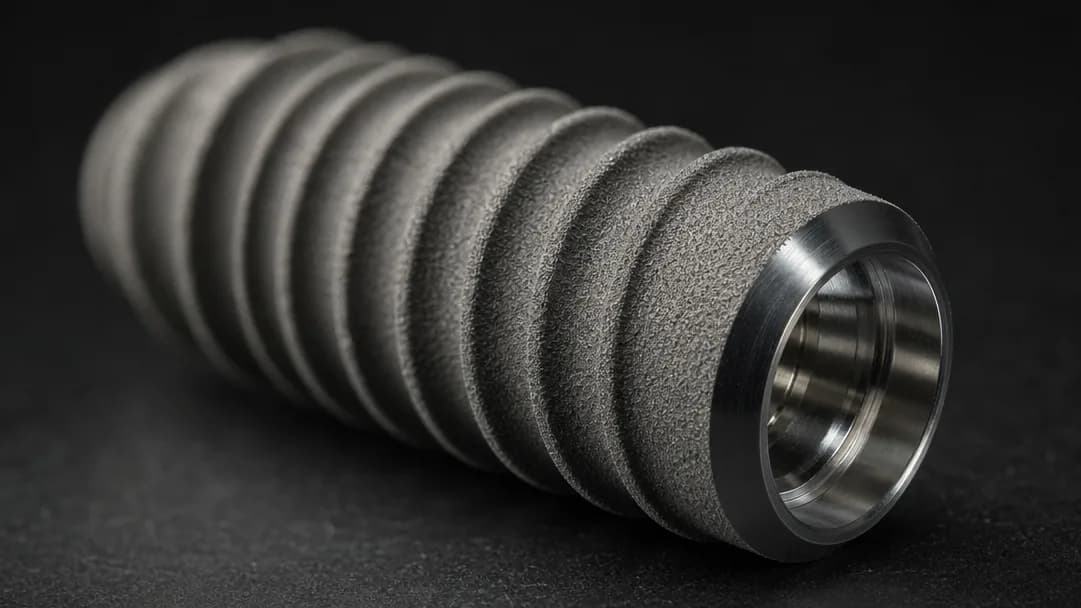
"Same-day implants" — what that does and doesn't mean
Immediate loading exists. In selected cases the implant is stable enough at placement to carry a temporary tooth straight away, and for full-arch work that is standard practice — an All-on-4 patient leaves with a fixed temporary bridge on the day of surgery.
What it does not mean is that treatment is finished. The temporary is temporary. The permanent restoration still waits for integration, and that is still a second trip.
Whether your case suits immediate loading depends on how firm the implant is once it is in, which is a clinical judgement made in the moment. A clinic promising it before anyone has seen your bone is describing a package, not a plan.
What can extend the timeline
- Bone grafting. If there is not enough bone, a graft has to heal before or alongside the implant, which can add months.
- Gum disease. Has to be treated and stable before implants go in. Placing implants into inflamed gums stores up a failure.
- Extractions. A socket sometimes needs time to heal before an implant goes into it.
- Smoking. Meaningfully increases the risk of an implant failing to integrate. Any dentist will raise it, and it is worth hearing rather than resenting.
Most of these are identified at the examination, which is exactly why we do that in the UK before you book flights rather than after.
The timeline, stage by stage
| Stage | Where | How long |
|---|---|---|
| UK examination, X-rays, written plan | UK | One appointment |
| Any treatment needed first — gum treatment, extractions | UK or Antalya | Weeks to months |
| Bone graft or sinus lift, if needed | Antalya | Adds 3–9 months before placement |
| Trip 1: CBCT, surgery, temporary tooth | Antalya | 3–5 days |
| Osseointegration — the implant fuses to bone | Home | 3–6 months |
| Trip 2: scan or impression, crown fitted | Antalya | 3–7 days |
| Reviews and hygienist maintenance | UK | Ongoing |
The two rows that move most are grafting and anything found at examination. Both are reasons to be examined before you book flights rather than after.
Why it cannot be rushed
An implant works because bone grows onto its surface and locks it in place. That process has its own pace, and it is the same in every country and every clinic. A permanent crown loaded onto an implant before integration is complete is asking a screw in soft bone to take chewing forces, and the failure it produces is not a small one.
This is the single most useful thing to understand while comparing offers. Where a package promises a finished result in a week for a case that plainly needs integration, something has been substituted: either the permanent restoration is actually a temporary, or the plan has quietly become a different treatment.
What "same-day" and "immediate loading" actually mean
Both are real techniques, and both are routinely oversold.
Immediate loading fits a temporary crown at the time of surgery, so you leave with a tooth in the gap. Whether you are suitable is measured at placement, from how firm the implant is in the bone — not decided in advance. It is more often possible for a single front tooth in good bone than for a molar taking heavy load.
Same-day teeth on a full arch means a fixed temporary bridge attached during the surgical visit. That is standard practice for All-on-4 and All-on-6, and it is genuinely what happens. What it does not mean is that the treatment is finished: the permanent bridge is made months later once the gums have settled and the implants have integrated.
Neither should be promised before a scan has been taken. A clinic offering same-day teeth off a photograph is selling a package rather than planning treatment.
Booking the time off
The practical version, for anyone working out annual leave.
Single implant: two trips of five nights. Around ten working days total, split across three to six months. Most people take the first trip as a week and the second as a shorter one.
Multiple implants: the same shape. More units does not usually mean more days — placing three implants in one visit takes longer in the chair, not longer in the country.
Full arch: 7–10 days on the surgical trip, then 5–7 days for the final bridge. Closer to three weeks total, and the first week is a recovery week rather than a holiday.
Book flexible fares if you can. Not because we expect changes — the plan is written before you travel — but because the one thing that genuinely extends a trip is something found on the CBCT that was not visible before.
Planning around it
- Book the first trip flexibly if you can. Recovery is individual.
- Do not schedule anything demanding for the week after surgery.
- Remember Antalya routes are seasonal. If your second trip lands in winter, price it separately rather than assuming the same fare.
- Total time off across both trips is around a fortnight for most cases.
The full picture of what implant treatment involves — materials, cost, guarantee — is on the implants guide, and the cost comparison puts both flights into the sum, which is where a lot of comparisons quietly go wrong.
If you want to know what your own case needs, send us your details. We will tell you how many trips and how long, before you book anything.