Travel
Combining dental treatment with a holiday in Antalya
Which trip you can genuinely enjoy, which one you can't, and how to plan around a mouth that has just had surgery.
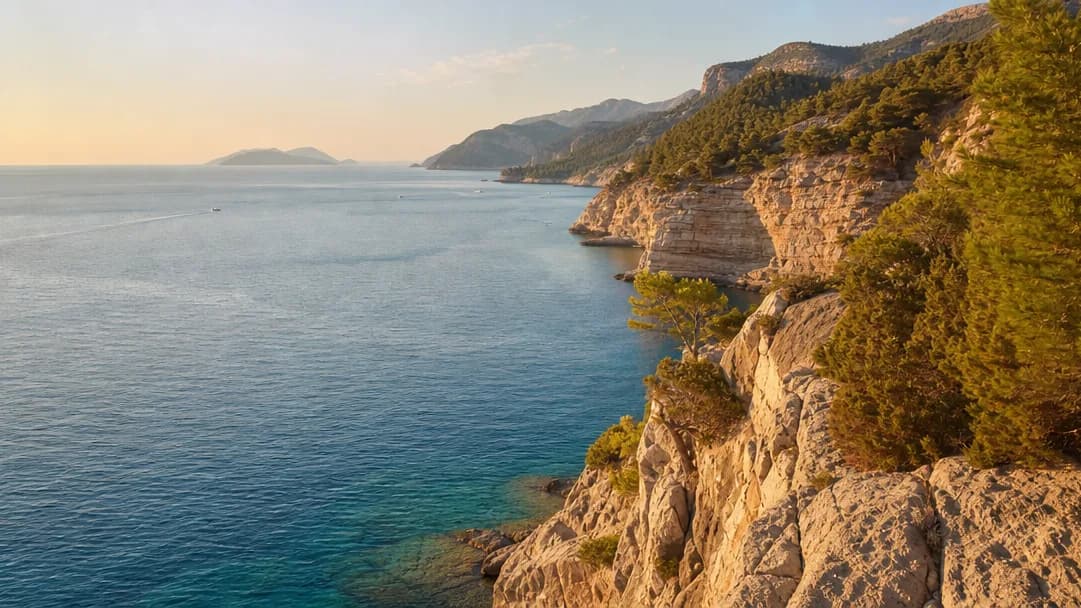
"Treatment plus a holiday" is how dental tourism is usually sold, and it is half true. One of your trips can be a genuine break. The other one, if it involves surgery, should be planned as what it is.
Being straight about which is which saves people from booking a boat trip for the day after their implants go in.
The trip you can enjoy
If you are having veneers, crowns or whitening, it is one trip and the treatment is spread across a week with real gaps in it. Preparation takes a morning, then the lab needs a few days, then you go back for the fitting. Those middle days are yours, and you will feel fine.
If you are on the second implant trip — the one where the permanent tooth goes on — that is the comfortable visit. No surgery, no swelling, and most of the week free.
Both of those genuinely combine with a holiday.
The trip you should not plan around
The first implant trip, or any full-arch surgery, is not a holiday.
Expect swelling that peaks around day two or three, bruising, and a soft diet for a week or two. You will be tired. Most people feel reasonable by the end of the week, but the first few days are for resting, not for excursions.
Plan accordingly:
- Nothing strenuous or booked-in-advance for the first three or four days.
- No swimming or diving while surgical sites are healing — your dentist will tell you when that changes.
- Alcohol is best avoided while you are healing and on any medication.
- Sun and heat plus a swollen face is an unpleasant combination. If you are travelling in high summer, plan indoor time.
If someone is coming with you, this is the trip where it helps.
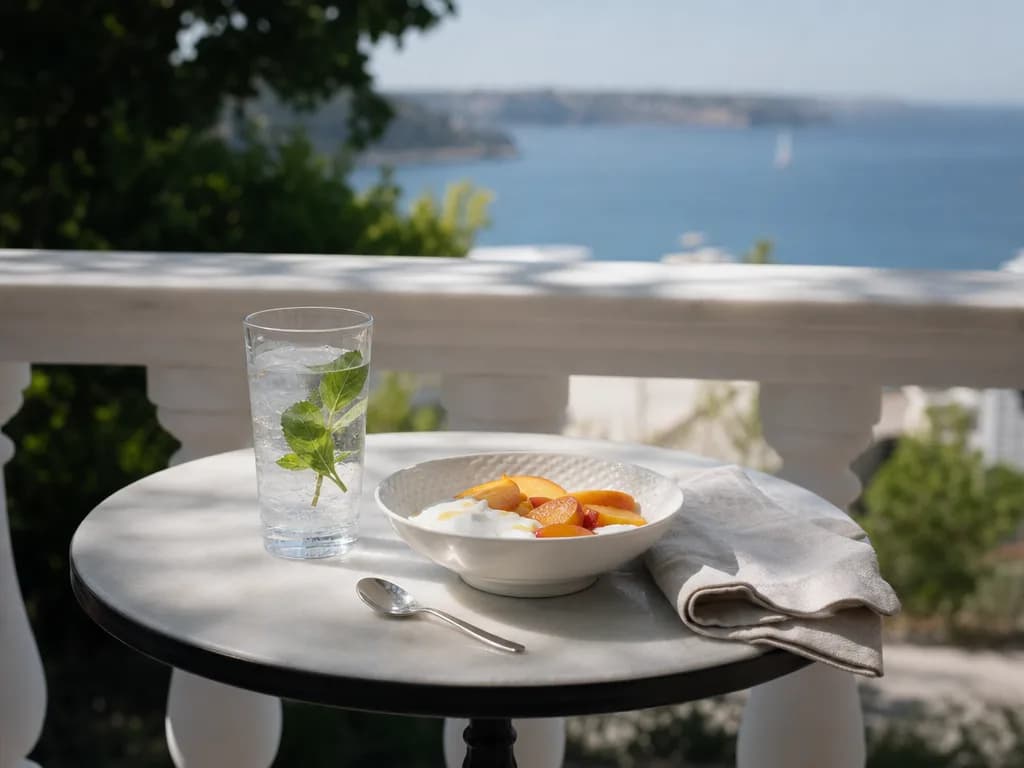
Practical things about Antalya
Flights land at Antalya Airport (AYT), around four to four and a half hours from most UK airports. Direct routes are plentiful from roughly April to October and thin out considerably in winter, so if your treatment spans both, check the second trip's options separately rather than assuming.
We arrange the transfers and your accommodation for the treatment stay; you book your own flights, which is cheaper and leaves the dates in your hands. Your coordinator has your appointment schedule and is the person to ask when something is not clear.
Summer is hot — properly hot in July and August. Spring and autumn are more comfortable for anyone recovering from surgery, and the flights are usually cheaper too.
What to actually pack
- Any current medication, plus a list of what you take. Your dentist needs to know.
- Comfortable clothes for the surgical days.
- Something for a soft diet you actually like. Hotel soup gets old.
- A phone charger and patience for the first few days.
- Travel insurance. Check what it says about planned medical treatment abroad — many standard policies exclude it, and that is worth knowing before rather than after.
Bringing someone
Most people do, and on a surgical trip it makes a real difference — someone to handle the practical things while you are sore. Tell us when you enquire so accommodation and transfers are arranged for both of you.
Their flight is the main extra cost; the calculator has a toggle for it so you can see the real total rather than a single-traveller one.
What the week actually looks like
Two very different shapes, depending on the treatment.
Veneers or crowns — one trip, 5–7 days. Consultation and design on the first day, preparation and temporaries on the second, then two or three days while the laboratory works, then try-in and fitting at the end. Those middle days are genuinely free, and they are why this treatment combines with a holiday in a way others do not. You will be in temporaries, which look fine and are more fragile than the finished work — so the old town and the coast, yes; anything involving crusty bread, no.
Single implant — two trips. The first is surgery: a day of imaging and planning, the surgery itself, then two or three days of swelling and review before flying home. The second, months later, is quieter — impressions or a scan, then fitting. The second trip is the one that leaves room for anything.
Full arch — two trips, the first one long. Seven to ten days, most of it recovery. This is not a holiday week and treating it as one is the mistake people regret.
Being realistic about recovery
The part the marketing photographs skip.
After implant or full-arch surgery, expect swelling and bruising peaking around day two or three, a soft or liquid diet for a week or more, and to feel generally rough for the first few days. It is managed with ordinary painkillers and it is not agony — but it is not a week for boat trips, long walks in the heat, or a restaurant itinerary.
Alcohol is out around surgery, and so is smoking, which matters more than people expect: it is one of the few things clearly linked to implants failing. Sun and heat are worth taking seriously too, both because dehydration is unhelpful and because some medication raises sensitivity to sunlight.
If you are travelling with someone, this is the week they earn their place.
Practical things worth knowing
Getting there. Direct flights from several UK airports, roughly four to four and a half hours. Antalya airport is about 40 minutes from the central clinic district, and the transfer is arranged for you.
Money. The Turkish lira is the local currency; cards are accepted almost everywhere in the city and in the clinic. Notify your bank if your card is prone to blocking foreign transactions, because sorting that out from abroad is tedious.
Language. English is widely spoken in the clinic and in tourist areas. An English-speaking coordinator is part of treatment, which matters most in the appointments where you are being asked to make a decision.
Weather. Mediterranean. Comfortable in spring and autumn, genuinely hot from June to September — regularly above 35°C, which is a consideration if you are recovering rather than sunbathing.
Insurance. Read the wording on planned treatment abroad. Most standard travel policies exclude it, and it is the line people most often skip.
When you are free, and it is a good city to be free in
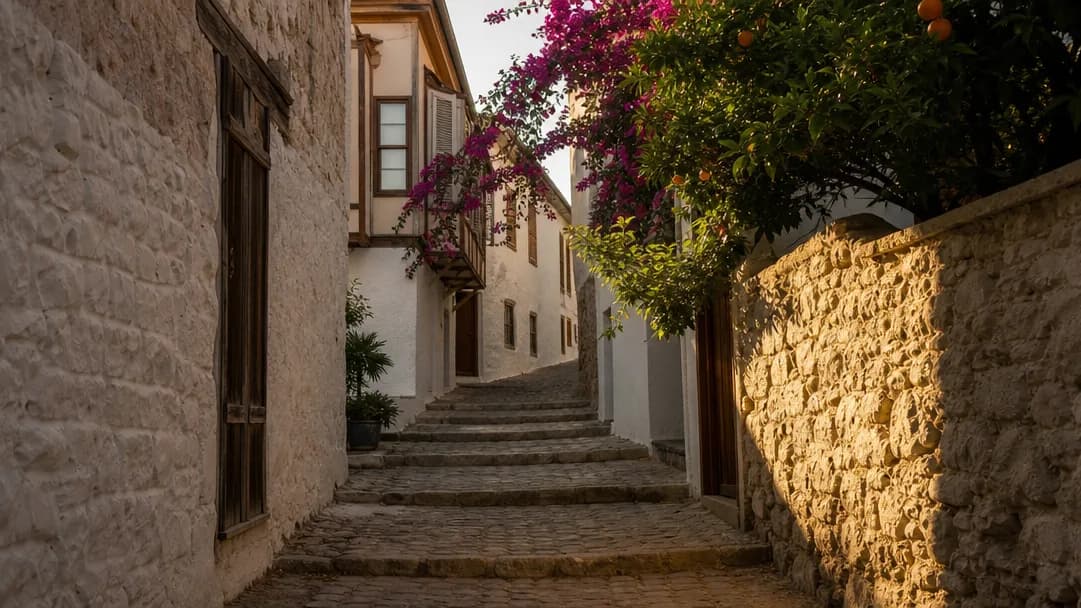
Antalya's old town, Kaleiçi, is a walled quarter of Ottoman houses running down to a Roman harbour, and it is small enough to wander without a plan. Hadrian's Gate is a genuine Roman triumphal arch standing in the middle of the modern city. The Antalya Museum is one of the better archaeological collections in the country, and it is indoors and air-conditioned, which recommends it in August.
Further out there are Roman sites at Perge and Aspendos, waterfalls at Düden, and the Lycian coast. Whether any of that is realistic depends entirely on which treatment you are having, and it is worth deciding that after the plan is written rather than before.
The honest framing: a good clinic will not schedule around your excursions, because treatment dates come from laboratory turnaround and healing rather than from an itinerary. Book the trip around the treatment. The city will still be there on the days you are free.
The thing worth keeping in proportion
The holiday is a nice side effect. It is not the reason to come, and a clinic leading with the beaches rather than the dentistry has its priorities in an odd order.
Choose the clinic on the plan, the materials, the guarantee and whether anyone will examine you before you fly — the safety checklist covers all of it. Then enjoy Antalya on the days your mouth allows.
If you want to know which of your trips would be the comfortable one, tell us what you need and we will set out the schedule before you book anything.